 BACK
BACKWhen was the last time you really discovered music without an algorithm telling you what you should listen to?
Just like social media, digital streaming platforms are not free from what media experts call “enshittification”. They have progressively become worse in delivering the sole purpose they were built to do: For people to access their favourite music online.
With Spotify leading the way in the “enshittification” of digital streaming platforms, the platform is proof that finding a different way to listen to music is long overdue. With Spotify only paying artists $0.003 – $0.005 per stream, laying off 17% of staff in December 2023, AI-generated* music circulating the platform without being labelled as such, and former CEO Daniel Ek investing in AI military, there are countless reasons as to why Spotify should not be the go to option for your music listening experience. And besides, have you truly discovered anything fresh and new on their algorithm-based playlists recently that they so desperately try to push in your face?
Even though there are alternatives to Spotify, a lot of these other mainstream streaming services come with their own baggage. Usually, these other platforms are only paying their artists a little more than Spotify, while also at the same time being owned by billion dollar companies. As the editorial teams who are actively curating playlists for those platforms become smaller and algorithm-based playlists are becoming more dominant, Spotify and Co are losing one of their most important USPs: Real people picking out music they enjoy to recommend to real people.
So I can’t help but wonder: In 2025, is there a way to find new music ourselves, based on our own cultivated taste? Can we discover music like we used to, based on curiosity and our willingness to dig a little deeper in hope of finding a musical gem?
Here are three alternative ways to discover new music:
Qobuz
‘Qobuz is opting for an alternative path to AI, choosing to stay true to our values and our love for music.’ (Charlotte Saintoin, 2025)
This digital streaming service made it its mission to deliver digital streaming of music like we know it but without the AI slop. Their Editor’s Picks playlists are 100% created by humans. The personalised playlists like DailyQ are recommending you new music everyday based on your listening history, while WeeklyQ which is similar to Spotify’s ‘New Music Friday’, incorporates recommendations from the editorial team with algorithm-based suggestions. Their Spotlight function leaves room for that spark of music discovery: It highlights three artists you listened to the most and showcases their discography, while including interviews and articles from their magazine. Qobuz does use algorithms in order to create more personalised content but puts more emphasis on its editorial playlists.
Bandcamp
Bandcamp has been a favourite of many music fans for discovery outside the mainstream for years. The great thing about the platform is that musicians are being paid more fairly. They can upload their music directly to the site without the need for a distributor and can set the price for their work. 82% of the money goes to the artist and the rest to the platform. When setting up an online store on the site, musicians not only can sell digital downloads but also physical copies of their music as well as merchandise and tickets.
Bandcamp is a great way to discover new music and find rare gems. With Bandcamp Daily – their music publication that features artists and bands on the platform that are recommended by the editorial team – the spark of “people recommending music to other people” is coming back.
CDs
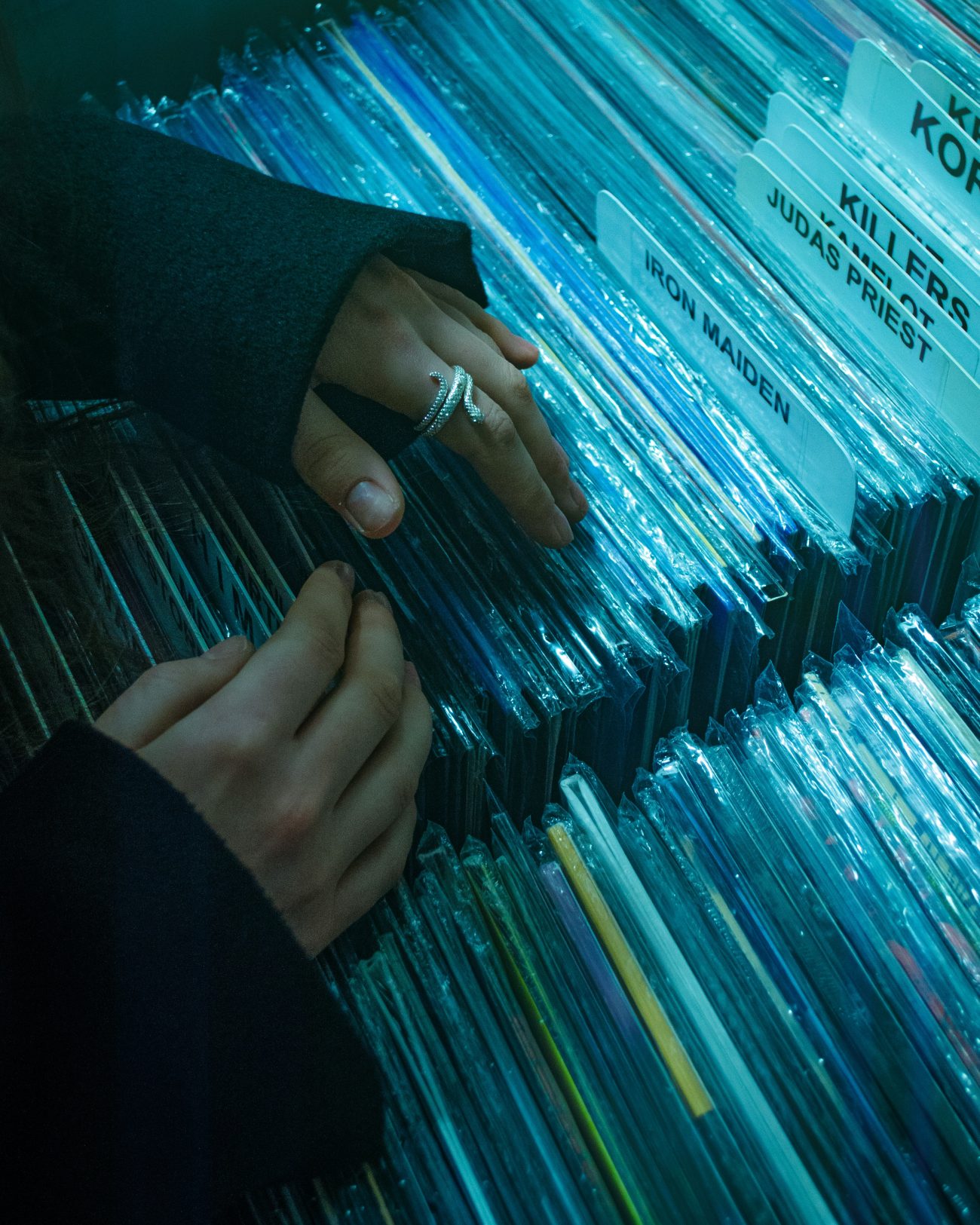
Be ready to dust off your discman and head down to your favourite record store after having browsed its collection for the past years to finally buy a CD.
For my birthday this year I got gifted a CD of my favourite album of the year. And even though I have been actively listening to the album on my phone plenty of times, the feeling of holding the physical album in my hands felt special and new. Like holding a treasure in my hand.
While producing CDs and vinyl does burden the environment, and digital streaming is increasing its carbon footprint every year as it relies on servers that need to be powered and cooled to operate, an option could be taking CDs from the library.
The great thing about browsing the record shop or library is that you might come across genres and artists that you never heard of just by accidentally stumbling upon their work. Remember when you picked up a CD because you thought the cover artwork looked interesting, then you listened to it and discovered that the sound was like nothing you ever heard before and soon that album became your new favourite thing? This feeling can be reignited by giving your local record shop or library another chance!
In a world that is shouting about the possibilities of machine-learning so loudly while turning a blind eye on the importance of real life crafts and human made art, we need to leave our comfort zones again to connect with creativity in ways that don’t rob us of the reasons why we love art and music so much. I recently read about writing and what makes it good and that one of the reasons is because it goes back to the author caring. The author chooses to write instead of doing anything else and that’s why it matters. When AI produces something or when an algorithm suggests something – it does not care, it just spits out information based on all the other information that is out there. We need to remind ourselves that we love music and discovering music because it is made by someone, discovered and recommended by someone who cares and that is why we care.
*even typing out the word AI makes me shiver
By Ninette Nassenstein
Sources:
https://www.newyorker.com/culture/infinite-scroll/the-age-of-enshittification
https://www.businessinsider.com/spotify-lay-off-relocated-abroad-forced-leave-country-2025-1
https://illuminem.com/illuminemvoices/cd-vinyl-and-streaming-which-music-medium-is-the-most-environmentally-friendly
https://bandcamp.com/
https://www.experimental-history.com/p/28-slightly-rude-notes-on-writing